





Rethinking the Architectural Profession in the Post-Grenfell Era essay series

[edit] Rethinking the Architectural Profession in the Post-Grenfell Era – Introduction to the Series
[edit] A01 The Grenfell Tragedy Changed Everything
In the wake of the Inquiry Phase Two Report, it’s clear that significant reform is needed across the architectural and construction professions. At Enframe, we’ve spent months reflecting, researching, and brainstorming solutions that can drive real change.
Our new series of articles tackles critical challenges like building safety, accountability, and the future of the architectural profession. From proposals such as creating a Principal Designer Register to rethinking how professional accountability is embedded in practice, our work is about sparking debate and offering actionable solutions.
This isn’t just critique—it’s a roadmap for a safer, more innovative built environment.
Sign-up to read the article for free here: Enframe Substack The Grenfell Tragedy Changed Everything
[edit] A02 Moving Beyond Compliance
The Grenfell Tower tragedy exposed systemic failures in the construction industry. Dame Judith Hackitt continues to call for action, urging professionals to move beyond compliance and embed safety at every stage of design and construction.
Inspired by the Marginal Gains principle, this article explores how small, incremental improvements in a process can collectively deliver significant overall improvement. From enhancing fire safety training to rethinking regulatory frameworks, we outline actionable steps to rebuild trust, improve standards, and protect public safety. It’s time for the industry to embrace a proactive, safety-first design mindset.
Sign-up to read the article for free here: Enframe Substack Moving Beyond Compliance
Rethinking the Architectural Profession in the Post-Grenfell Era
[edit] A03 The Culture Change We Desperately Need
The Grenfell Tower tragedy exposed critical safety, regulation, and accountability failures across the construction and architecture industries. Despite progress through the Building Safety Act and other reforms, cultural change remains urgent. Real transformation requires top-down leadership and grassroots action, prioritising safety at every stage of the design and construction process.
Drawing lessons from corporate turnarounds at Microsoft and Starbucks, we explore how leadership and collaboration can drive a cultural shift. By adopting the marginal gains approach – making small, incremental improvements across the industry - we can collectively build a safer, more accountable built environment. The Grenfell Inquiry has given us a roadmap; it’s time to act.
Sign-up to read the article for free here: Enframe Substack The Culture Change We Desperately Need
[edit] A04 It’s all about the Money: Learning from Barristers
The Grenfell Tower Inquiry Phase Two Report lays bare a harsh reality: inadequate fees can lead to under-resourced teams, rushed designs, and compromised safety. It’s an issue that the UK architectural profession must confront.
Our latest article, "It's All About the Money: Learning from Barristers," explores the origins of this problem, tracing it back to the 1980s abandonment of RIBA fee scales and comparing it with the regulatory frameworks of the legal profession. Unlike architects, barristers adopted value-based fee models that balance fair compensation with professional accountability, allowing them to maintain high standards while avoiding the "race to the bottom”.
By drawing lessons from the legal sector, architects can adopt transparent fee structures, emphasise the value of their expertise, and champion fair pay. Addressing these challenges isn’t just about compensation - it’s about ensuring safety, compliance, and the integrity of the profession.
It’s a topic that will get us all talking and one we will be returning to later in the series.
Sign-up to read the article for free here: Enframe Substack It’s all about the Money: Learning from Barristers
[edit] A05 It’s All About the Money: Fees and Resources
There’s a race to the bottom. There’s a critical need for architectural fees to reflect the true complexity and safety requirements of high-risk projects. Architects are not only responsible for design but must also ensure compliance with stringent safety regulations, such as fire safety.
However, the current pressure to underbid fees often leads to under-resourced teams and compromised safety standards. To address this, the ARB and RIBA could collaborate to develop tools and frameworks to help architects calculate appropriate fees, improve transparency with clients, and modernise fee benchmarking systems. These changes would support architects in meeting their professional obligations, enhance building safety, and deliver a better balance between architects and clients.
Sign-up to read the article for free here: Enframe Substack It’s All About the Money: Fees and Resources
[edit] A06 It’s All About the Money: The Value Equation
Architects are essential to creating safe, sustainable, and successful buildings – but are we undervaluing their work? Compared to other professions, architects often struggle to articulate the value they bring to clients and projects.
The Challenge
- Fees too often focus on cost, not value.
- Critical roles like safety, compliance, and coordination go unrecognised.
- Undervalued fees result in under-resourced teams, excessive workloads, and unsustainable workplace cultures.
Key Lessons
Architects can learn from the legal profession, where barristers’ fees reflect risk, responsibility, and outcomes. By embracing a value-based mindset, architects can shift the conversation:
- Highlight benefits: cost savings, risk mitigation, and project performance.
- Communicate expertise: from fire safety compliance to sustainability leadership.
- Educate clients: help them understand why architects are critical to success.
The Workplace Reality
The recent ARB Workplace Culture report reveals architects are underpaid, overworked, and undervalued. Salaries and wellbeing are directly tied to fee structures. Real change starts with recognising this.
How Might We Define Value?
The value equation can be expressed as Value = Benefits / Price.
Where value is the perceived worth to the customer, benefit is the positive outcome or advantages received, and price is the cost to obtain those benefits.
The Way Forward
To protect the profession and attract talent, architects must:
- Realign fees to reflect their contributions and accountability.
- Advocate for transparency and value-based proposals.
- Address systemic issues impacting workplace culture and wellbeing.
The Grenfell Inquiry exposed what happens when the profession is stretched too thin. It’s time to articulate value, achieve fair compensation, and ensure architects are properly resourced to deliver safety, quality, and excellence.
Sign-up to read the article for free here: Enframe Substack It’s All About the Money: The Value Equation
[edit] A07 Insights: Learning from the UK Veterinary Regulatory Landscape
You wouldn’t operate on your pet. So why design a building without an architect?
The UK veterinary profession sets a benchmark for regulation, support, and public trust. The architectural profession could learn from the Royal College of Veterinary Surgeons (RCVS) and other supporting bodies, whose robust frameworks ensure high professional standards, continuous learning, and public confidence.
Clear Regulation: Unlike architects, vets operate under stringent oversight that protects both their title and their function. Could architectural regulation evolve to offer the same public assurance?
Knowledge Sharing: The RCVS Knowledge model provides open access to resources and research, ensuring continuous improvement. Imagine the impact of a similar resource for architects tackling complex regulations and safety standards.
Proactive Support: Veterinary professionals benefit from targeted risk management tools and tailored professional indemnity coverage. Could the architectural profession establish equivalent systems to better navigate post-Grenfell challenges?
It's time for architects to explore new ways to enhance their value, strengthen public trust, and secure their professional standing. Read our latest article to see how insights from the veterinary world could help transform architecture for the better.
Sign-up to read the article and comment here: Enframe Substack Learning from the UK Veterinary Regulatory Landscape
[edit] A08 Support for Architects
The Grenfell Tower tragedy underscored the need for architects to have access to reliable, affordable tools and resources to uphold safety in building design. Yet, many Small and Medium-sized Enterprises (SMEs) face financial barriers to accessing critical information, leaving them under-supported in navigating complex regulations like fire safety.
Key Challenges & Solutions:
- Access to Technical Resources: Expensive paywalls for essential standards like the British Standards Institute and the Construction Information Service (CIS) hinder smaller practices.
- Need for Digital Tools: Solutions like cladding compliance checkers and fire safety audit apps could ensure real-time regulatory compliance.
- Advisory Services for SMEs: A national technical advisory charity could fill the gaps for non-RIBA members, providing accessible fire safety support to all 42,000 UK-registered architects.
Collaboration & Innovation:
By working with organisations like ARB, RIBA, and fire safety specialists, and drawing on open-source and government-subsidised models, we can empower architects with the tools and knowledge they need. Cross-disciplinary partnerships with engineers and surveyors will enhance outcomes for the entire industry.
The Goal:
A proactive, inclusive approach to support all architects - regardless of practice size - ensuring safer buildings and a stronger, more resilient profession.
Let’s drive the change. What’s your view on accessible tools and advisory services for architects?
Sign-up to read the article and comment for free here: Enframe Substack Support for Architects

[edit] A09 Protection of Function: Why We Need It
Complex, often controversial and regularly debated in the industry, Protection of Function is the focus of our next series of articles. We’ll be looking at why we need it; how we define it; historical context and some uncomfortable truths; and how we might move forward with a unified approach.
In the UK, the title "architect" is protected under the Architects Act 1997, but the function of architectural work is not.
Not protecting function allows unregulated individuals to perform critical tasks like submitting Building Regulations applications, managing High-Risk Buildings (HRBs), and even supervising construction projects.
This lack of regulatory oversight exposes the public to significant risks. With an estimated 20,000 unregulated ‘architectural designers’ or ‘consultants’ operating alongside approximately 42,000 registered architects, the system fails to ensure safety, accountability, and professional standards.
Grenfell Tower is a stark warning of what can go wrong when architectural functions are performed without proper regulation. The tragedy revealed the devastating consequences of unqualified individuals overseeing complex, high-risk projects.
Other professions already protect their function. Doctors, lawyers, and veterinary surgeons cannot legally perform their roles without regulation. So why is architecture so different?
It's time to move beyond protection of Title and start protecting the function of architectural work to safeguard public safety, uphold professional standards, restore trust and value the Architect.
We want to hear from you. Should architectural functions be protected by law? What are your ideas, or solutions?
Sign-up to read the article and comment here: Enframe Substack Protection of Function: Why We Need It
--enframe
[edit] Related articles on Designing Buildings
- ACM cladding.
- Addressing building failures: Grenfell Tower and Edinburgh schools.
- Architect.
- Building a safer future: an implementation plan.
- Building a safer future: proposals for reform of the building safety regulatory system.
- Building Safety Act.
- Building Safety Charter.
- Building Safety Fund.
- Building safety in Wales.
- Building Safety Regulator.
- Chief inspector of buildings.
- Fire performance of external thermal insulation for walls of multistorey buildings, third edition (BR 135).
- Fire Safety Act.
- Government response to the Building a Safer Future consultation.
- Grenfell and professional indemnity insurance.
- Grenfell Tower fire background and consequences.
- Grenfell Tower independent expert advisory panel.
- Grenfell Tower industry response group.
- Grenfell Tower Inquiry Phase 1 Report.
- Grenfell Phase 2 final report for construction at a glance.
- The Grenfell phase 2 final report recommendations for the construction industry.
- Grenfell Tower Inquiry.
- Hackitt review of the building regulations and fire safety, final report.
- Independent review of the building regulations and fire safety.
- Independent review of the construction products testing regime.
- Joint Competent Authority.
- Raising the bar.
- Reform of building safety standards.
- Residential Property Developer Tax.
- Setting the bar.
- The Regulatory Reform (Fire Safety) Order 2005.
Featured articles
Check out some of the best features and news from Designing Buildings as well as key stories from around the web.

CIOB celebrates positive Ofsted report.

The Building Safety Regulator announces a call for evidence.

Government approach could undermine delivery and regeneration.
World's first mass timber data centre.

The overlooked environmental aspect of data centre development.
Introduction to radon awareness

New technical information sheet published by CIOB.

Updated supplier guide can help electrical contractors engage with NHP.

CIAT confirm the winners of the 2026 architectural technology awards.
Government launches a one stop shop for flood preparedness.

Sir Edwin Lutyens: Britain's greatest architect? Book review.
CIOB publishes free template to help assess and manage risks.
ECA's reflections on Party Conference season

Burnham wants to be confident of winning before asking for a fresh mandate.
New Chief Construction and Scientific Adviser
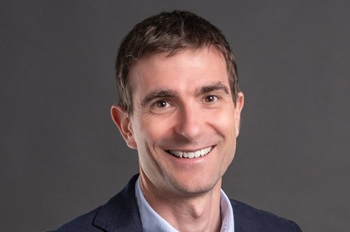
Sergio Cavalaro, Professor of Infrastructure Systems at Loughborough University.